Beaton Consulting Group is a small, specialized consulting firm based in Prince Edward Island, Canada. We work with businesses of 2 to 20 people who know AI exists but don't have a working system for it yet.
BCG is a boutique firm. You work directly with the people who built the methodology — not a rotating roster of junior consultants.

Wade leads client acquisition, outreach strategy, and the consulting sales process from first contact through delivery. He also heads the training curriculum — designing the AI fluency frameworks and skill modules that clients receive as part of every engagement.
His approach is grounded in a single conviction: businesses don't need more AI theory. They need a clear starting point and a system their team can run independently.
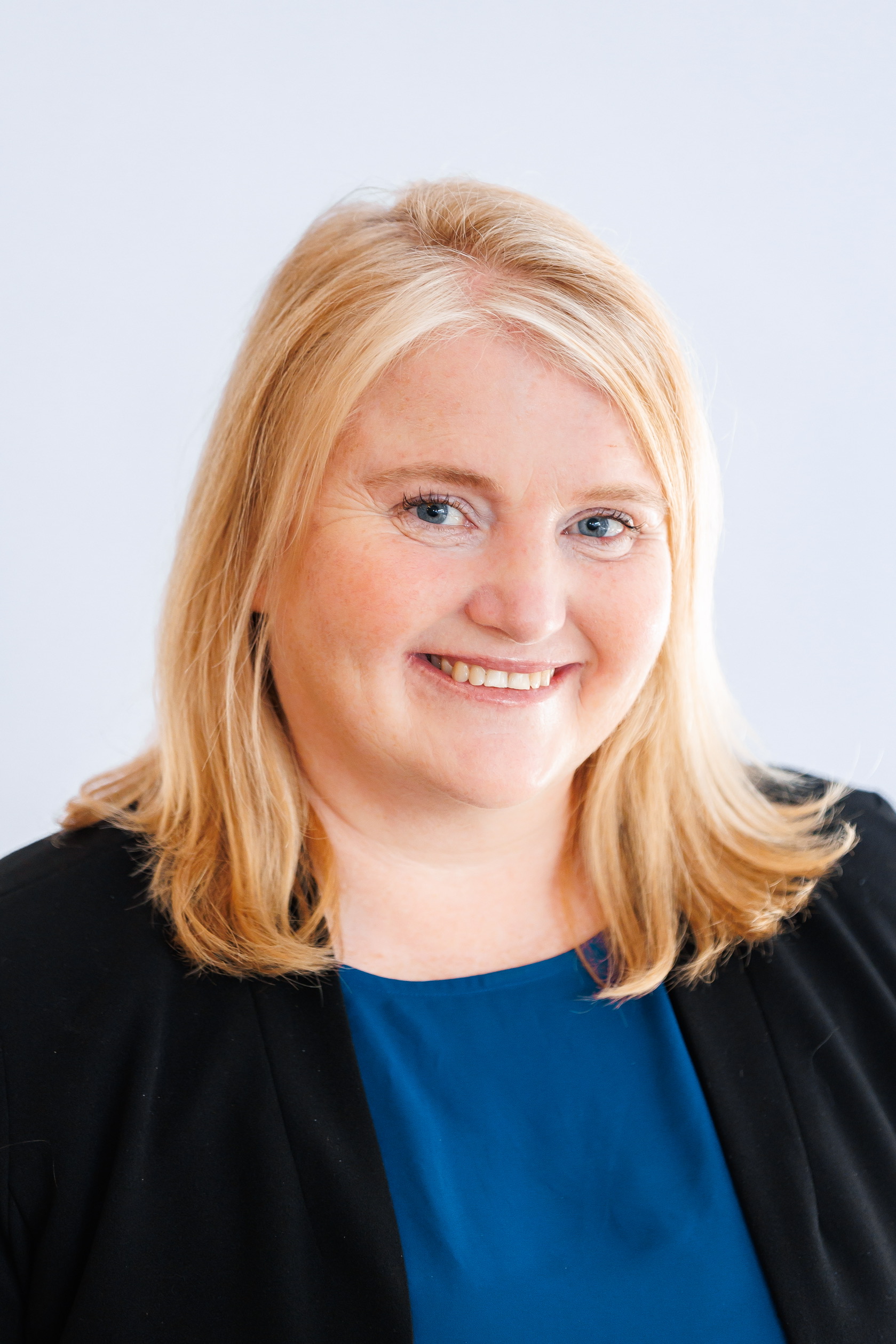
Michele leads the intake and needs assessment process — identifying operational gaps, translating business pain into AI opportunities, and building the findings that drive each client's roadmap. She is the primary point of contact during the assessment engagement.
She specializes in asking the questions most consultants skip: what is actually slowing this team down, and what would a real fix look like for this specific business?
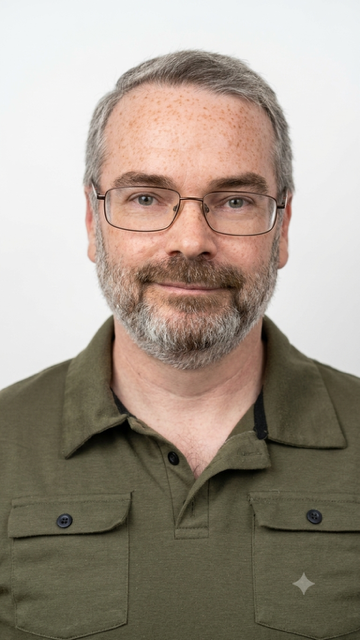
Brian owns the technical architecture behind every client implementation — automation builds, AI integrations, system design, and the development of internal tools that support the consulting and training practice.
His focus is on practical deployability: building systems that work reliably in the real-world constraints of a lean team — not architectures designed for enterprise environments.
Help small teams turn AI curiosity into a working system — improving efficiency, reducing repetitive work, and building lasting in-house capability.
We don't believe in AI theatre. We believe in clear problems, practical tools, and teams that leave with enough understanding to keep improving on their own. Every engagement ends with a handoff. The capability stays in the building.
We never recommend AI for its own sake. We identify what's actually underperforming, then decide whether AI helps.
No jargon. No "stochastic parity." If we can't explain it clearly to a business owner, we don't deploy it.
We're not building a dependency. The systems we create are designed to run without us — starting at handoff.
Every training session produces something the client keeps and uses. Concepts land in the context of real work.
Most consultants lead with tools. We lead with a diagnostic — because the order of operations is what makes AI adoption stick. Two rules shape every engagement.
Most businesses come to us asking for automation. It's deliberately step 4 of our ladder — because automating an undocumented, unstable process just produces faster mistakes.
Before anything runs on its own, we define when it stops and waits for a person. Three situations always get a human gate:
Anything client-facing gets human review before it goes out — no matter how confident the system is.
Missing or unusual data halts the automation and alerts a person. Bad input produces confident wrong answers.
Anything touching money, legal documents, or regulated data gets a human checkpoint before action — not just review after.
An engagement is a two-way commitment. Here's what makes it work on your side, and the standard we hold ourselves to before we call anything finished.
A decision-maker. One person with the authority to act. Committees stall adoption.
An internal champion. Someone who will drive adoption, not just approve it. They don't need to be technical.
Honest access. A short intake conversation, a list of your tools, and straight answers about your data and metrics.
Realistic capacity. If the next 90 days hold a seasonal peak or a big change, we sequence around it. Rushed implementations fail.
Willingness to write things down. If a key process lives only in someone's head, documenting it is part of the work — and usually the most valuable step.
A non-technical member of your team can follow every system we've built — without calling us.
Every deliverable includes at least one ready-to-use template.
Each solution solves one specific problem completely.
Nothing requires a further purchase to implement.
Your team can spot new AI opportunities on their own. The capability lives in your business — not in ours.
We are a boutique firm headquartered on Prince Edward Island, Canada. Our work is not limited by geography — assessments, audits, and training are delivered remotely and adapted to any time zone.
Prince Edward Island (PEI), Canada
Atlantic Time Zone (ADT, UTC−4)
Canada, United States, and international clients. All engagements available fully remote. On-site sessions available in Atlantic Canada by arrangement.
We schedule calls across North American time zones and can accommodate UK and European clients with early-morning or evening availability.
Reach us through the contact form or by booking an initial call. We respond within one business day.